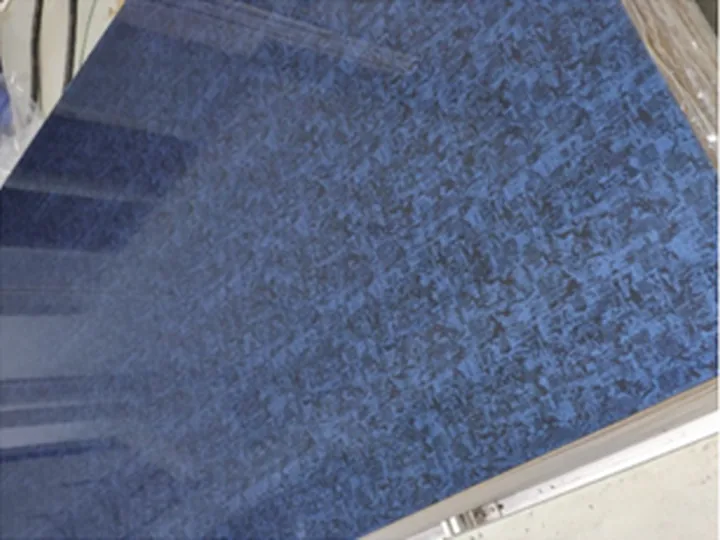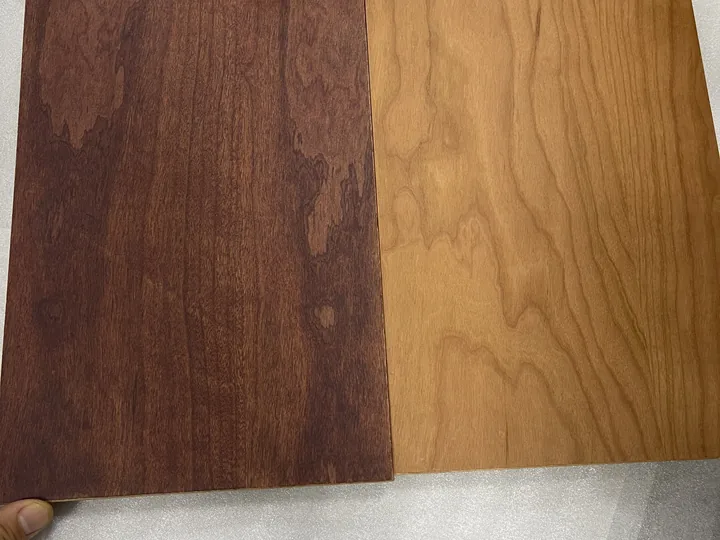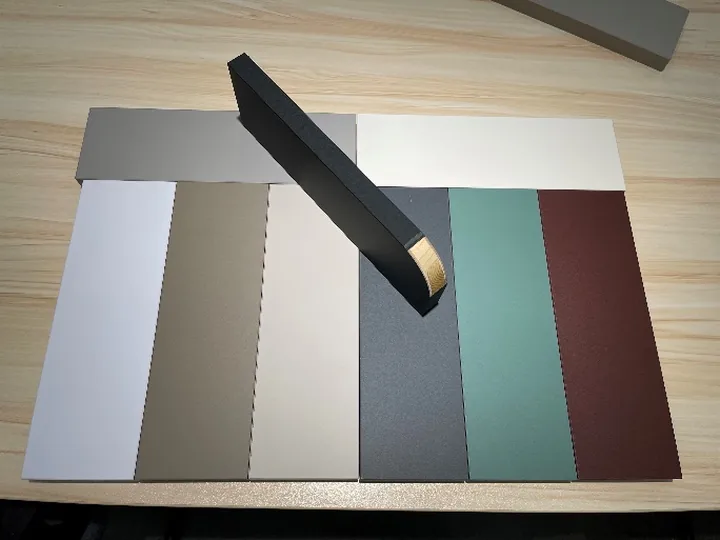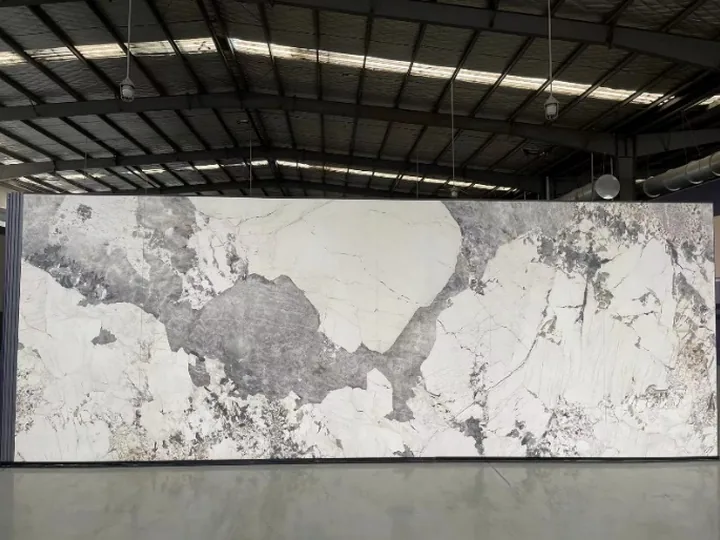
Low OdorMore complete reaction helps reduce residue and substrate odor release
Application scenarios: Bedrooms, children's spaces
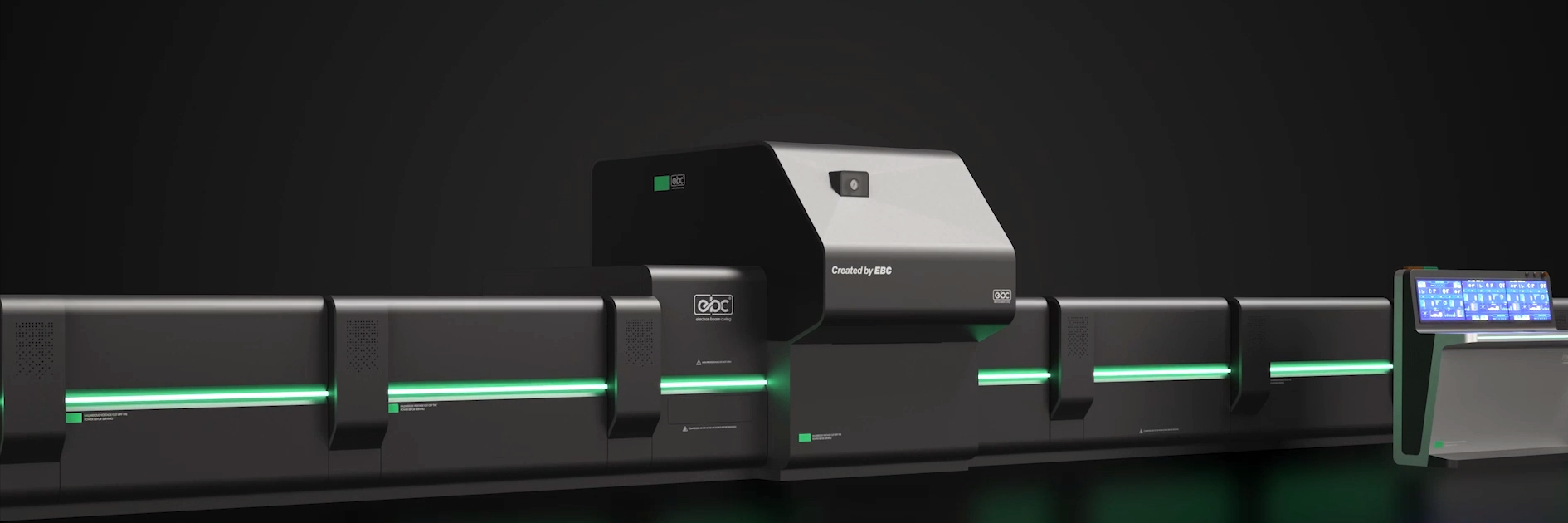
For surface coating curing and processing of rigid materials such as particle board, MDF, wood-plastic panels, calcium silicate board, cement board, metal sheets and glass sheets.
| Parameter | Series Specification |
|---|---|
| Accelerating voltage | 80-225 kV |
| Effective beam width | 600-3300 mm |
| Maximum conveying speed | 60 m/min |
| Useful penetration | 250 μm |
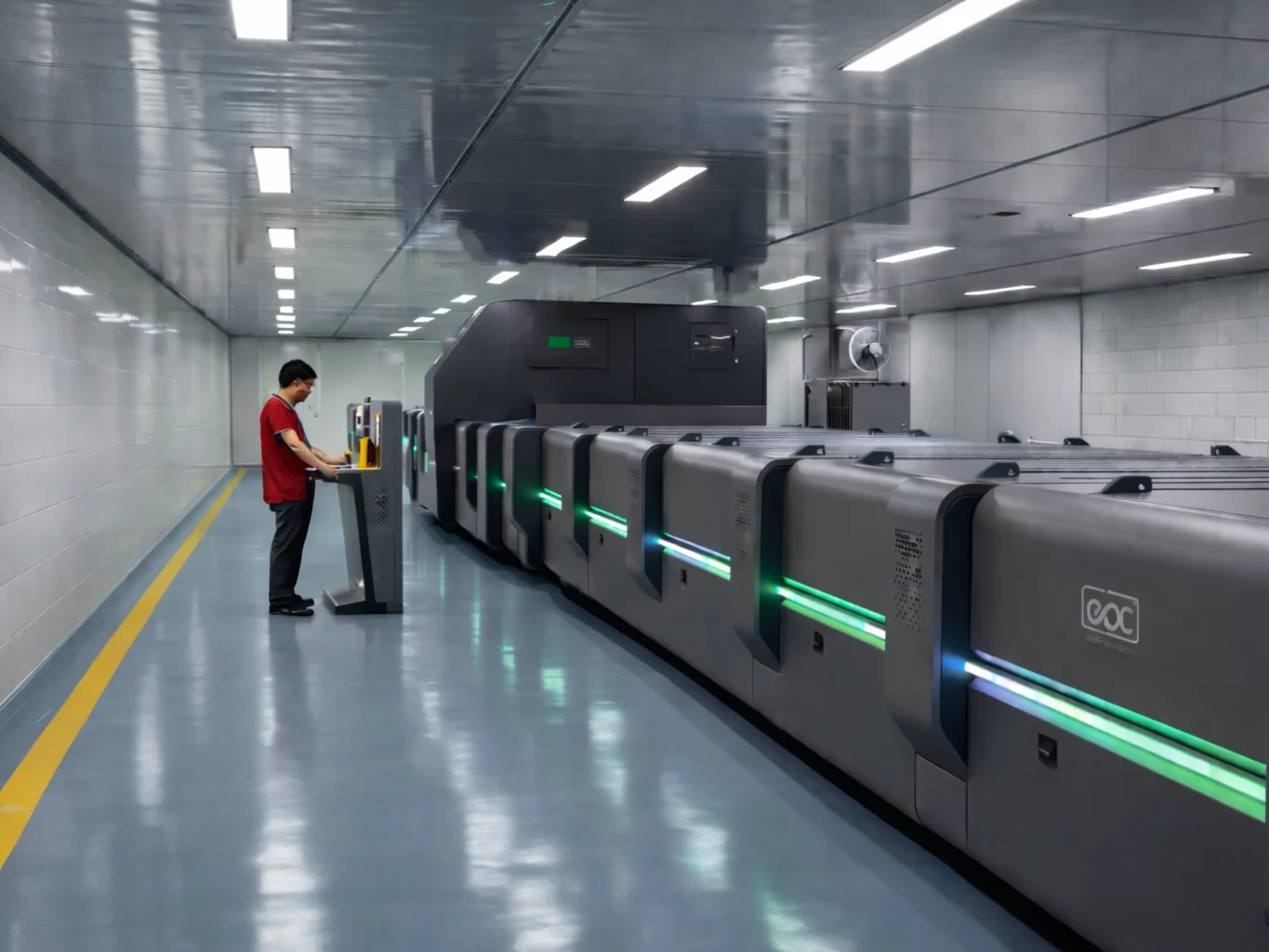
| Reference full-line size | Taking a 4 x 9 ft panel solution as reference, approx. 24 x 3.6 x 2.5 m |
| Applicable materials | Particle board, MDF and other wood-based panels; calcium silicate board, cement board and other inorganic fiber boards; metal sheets, plastic sheets, glass sheets, etc. |
| Installation method | Existing coating-line retrofit or new-line integration |
| Optional module | 172 nm excimer module |
| Conventional Coating | UV Curing | EB Curing | |
|---|---|---|---|
| Surface Structure |  |  |  |
| Surface Gaps | Large, solvent pores | Medium, micro defects | Small |
| Contaminant Entry | Easy to enter gaps | Partial entry | Less likely to enter |
| Bacterial Attachment | Easy to attach | Medium | Less likely to attach |
| Daily Cleaning | Difficult | Relatively easy | Easy |
Application scenarios: Bedrooms, children's spaces
Application scenarios: Kitchens, schools, hospitals
Application scenarios: Building facades, balcony spaces
Application scenarios: Flooring, high-end laboratories
Integration can usually be assessed. The review must cover coating method, line speed, panel size, coating chemistry, available space, electrical and cooling utilities, inerting, and upstream/downstream interlocks.
A 172 nm module may support selected ultra-matte surface targets. Because both steps require low-oxygen conditions, shared inerting space and conveying can be evaluated. No fixed nitrogen-saving percentage is stated without verified data.
Line capacity depends on coating, leveling, sanding, conveying, target dose, beam width, and beam power. A single speed figure does not describe the full operating condition.
Not necessarily. Hybrid routes such as UV primer or intermediate coats with an EB topcoat may be evaluated according to performance targets, validation results, and investment requirements.
START WITH VALIDATION
Share the material, layer structure, current process, and performance targets so the appropriate trial pathway can be discussed.