
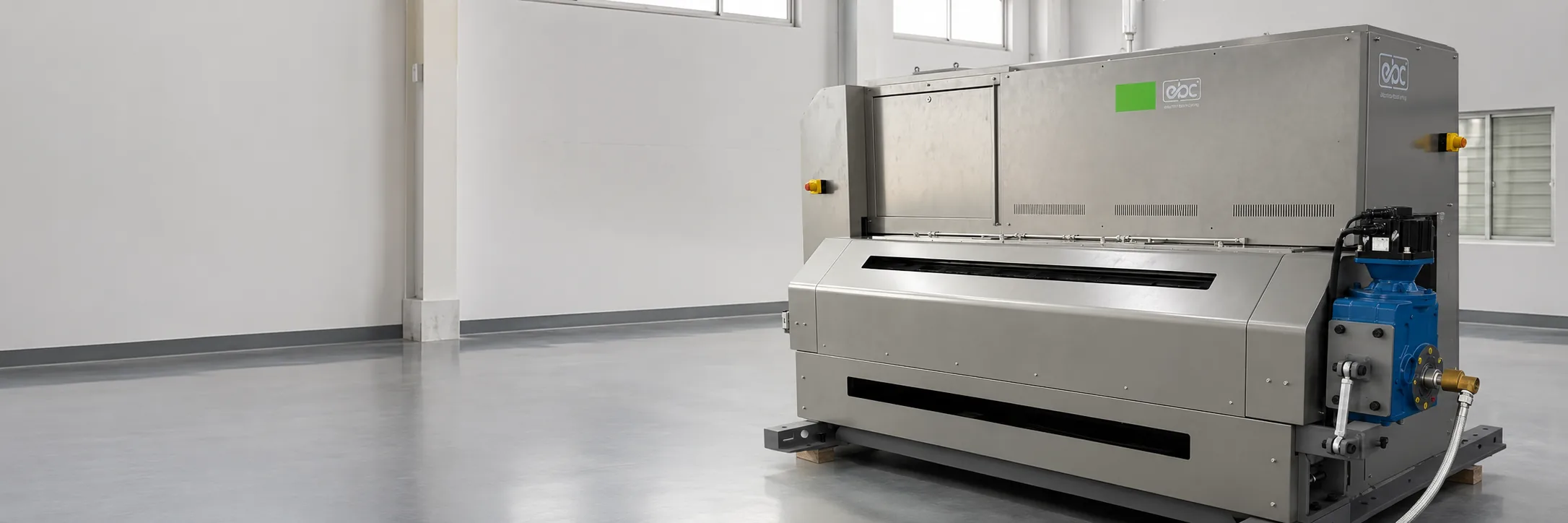
EBR Series | Roll-to-Roll EB Processing Equipment
For coating curing / film crosslinking / irradiation grafting of films, paper, steel coils, textiles and other roll-to-roll materials.
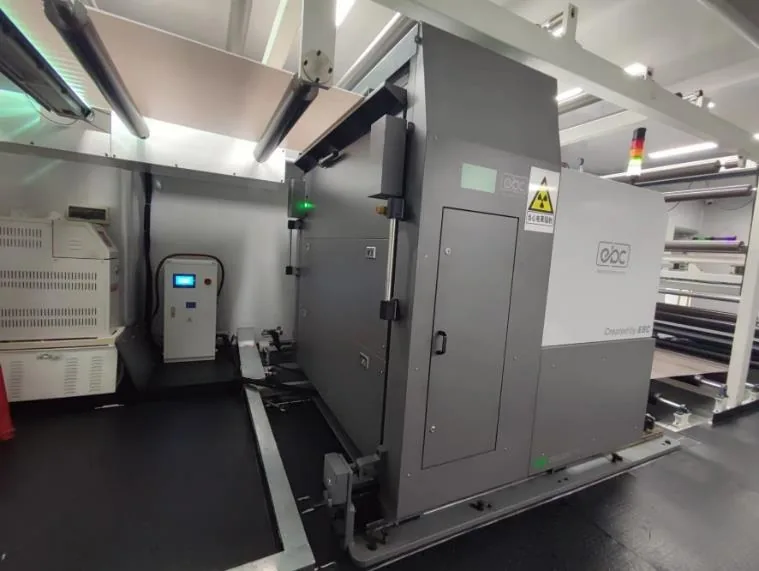
EBR equipment parameters
| Accelerating voltage | 80-225 kV (125 / 150 / 225 kV can be configured by application) |
|---|---|
| Effective beam width | 600-3300 mm |
| Web speed | Up to 300 m/min |
| Web support | Suspended-web or drum-supported configuration, evaluated by customer requirements |
| Irradiation direction | Side or bottom irradiation, evaluated by site conditions and web path |
| Typical equipment size | 3 m x 3.2 m x 2.5 m |
| Installation method | Existing coating-line retrofit or new-line integration |
| Optional module | 172 nm excimer module |
| Application directions | Coating curing / film crosslinking / irradiation grafting |
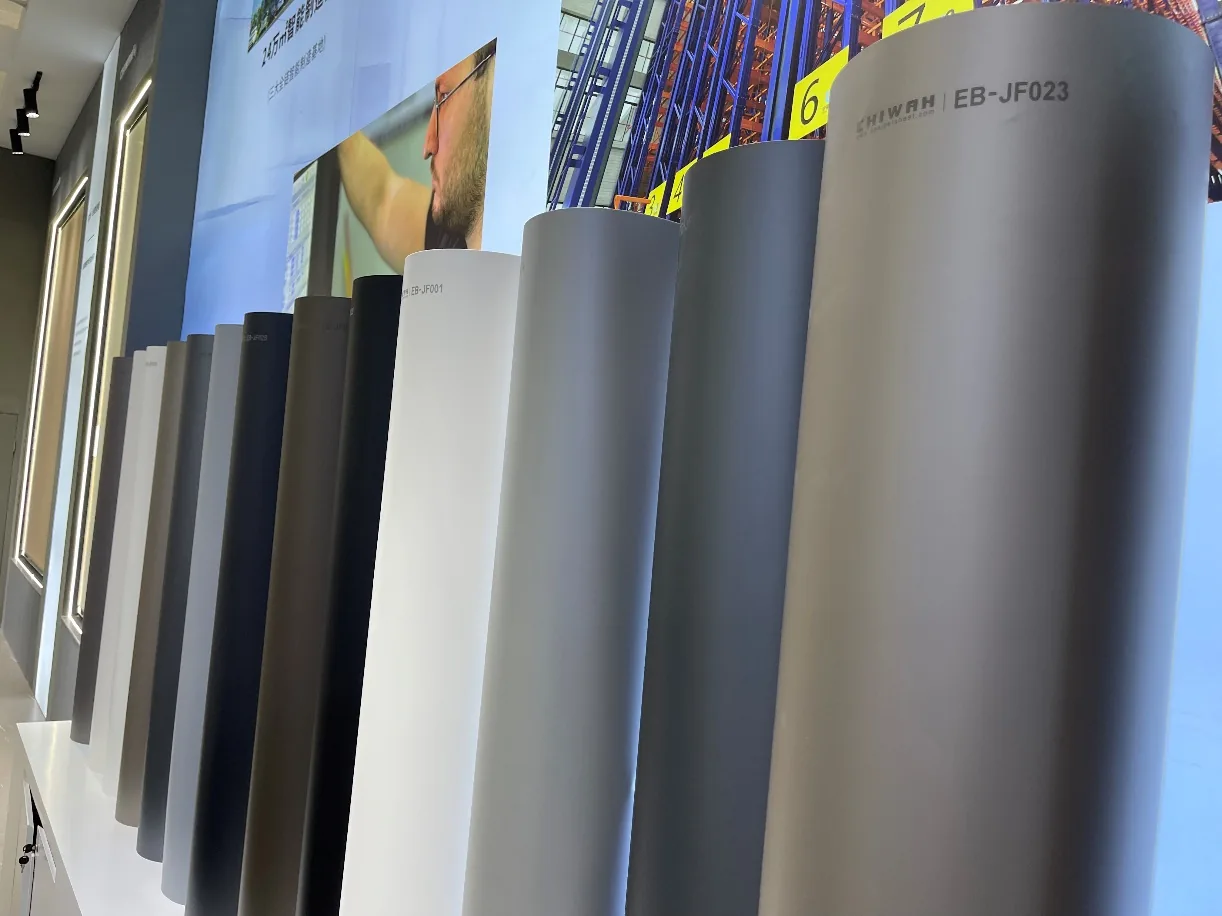
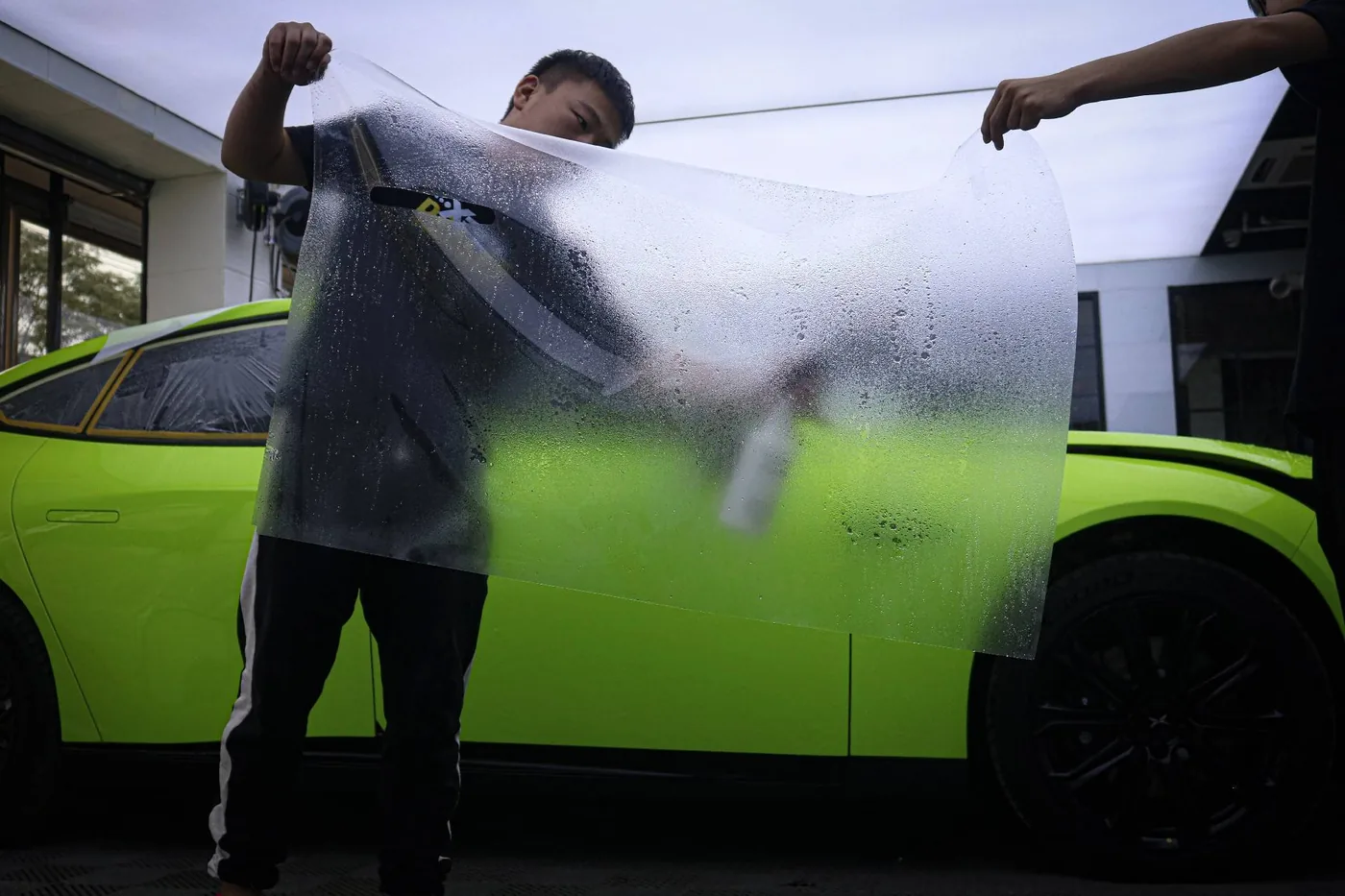
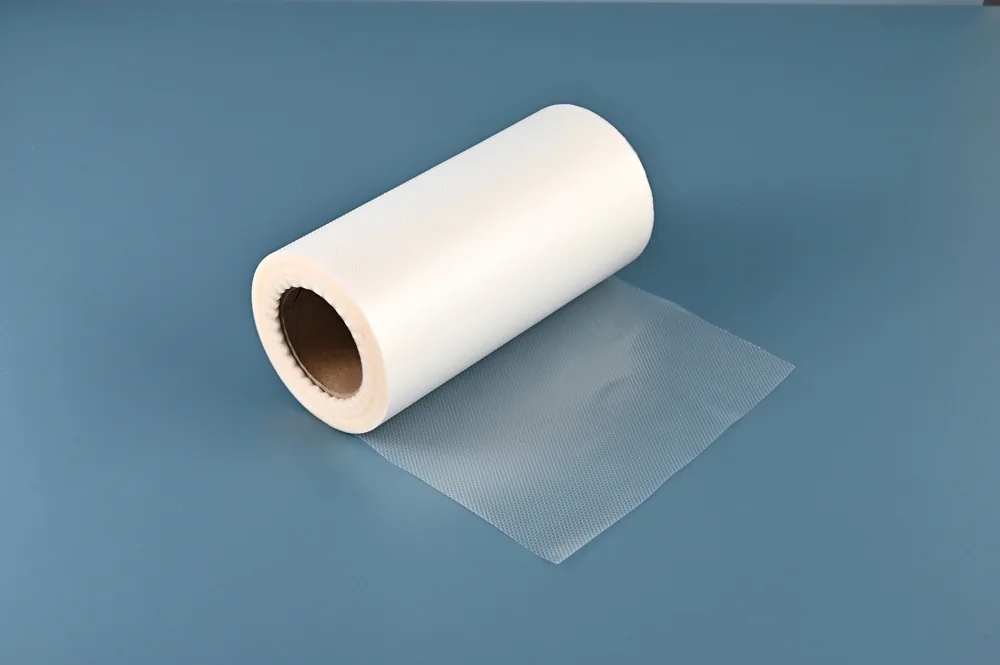
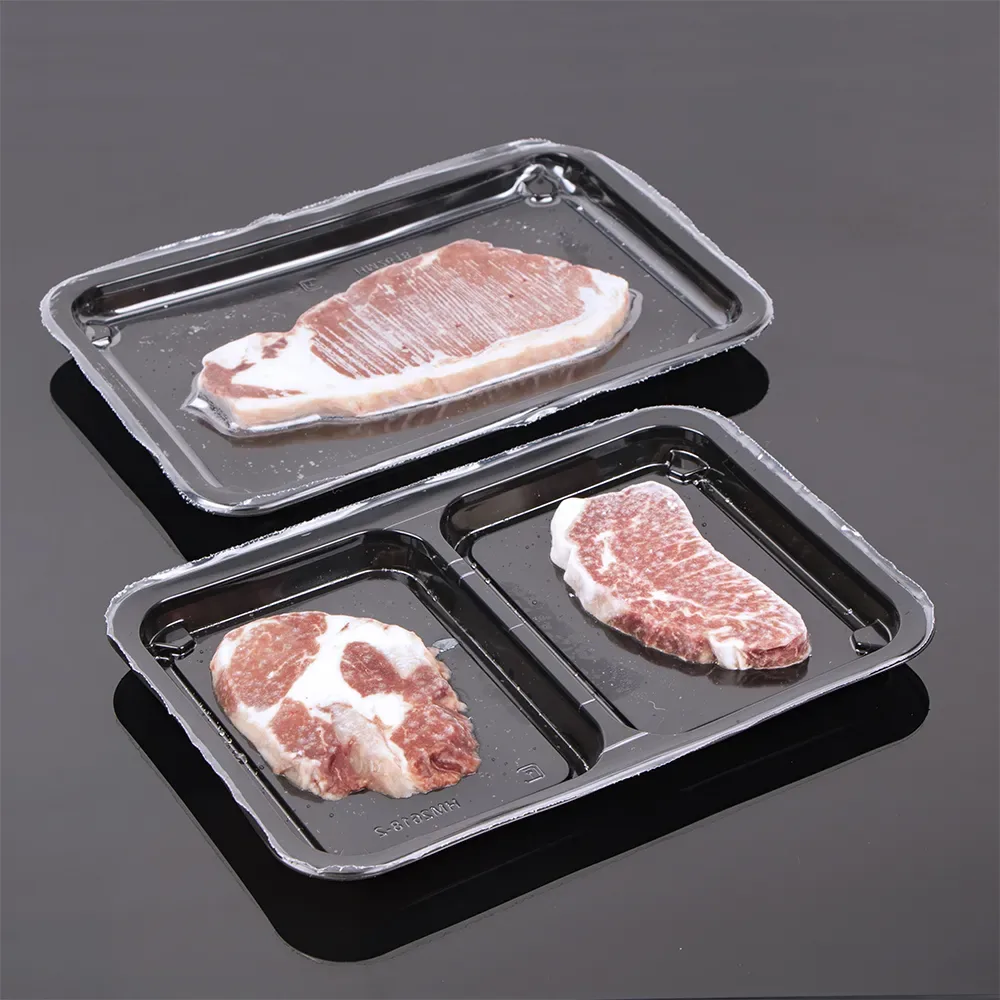
| Application fields | Flexible packaging, decorative films, decorative paper, steel / aluminum coils, functional films, functional textiles, etc. |
EBR Equipment Categories
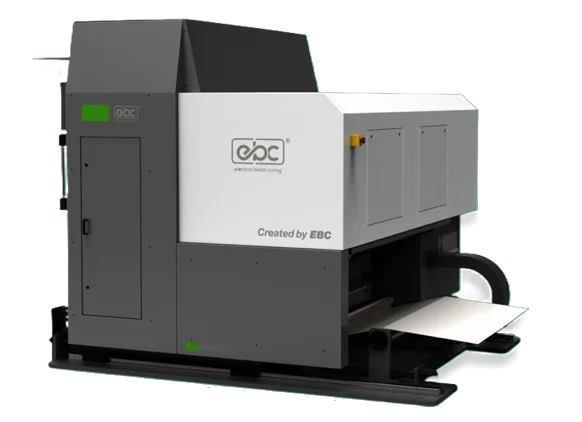 Inlet -> -> -> -> -> -> Outlet
 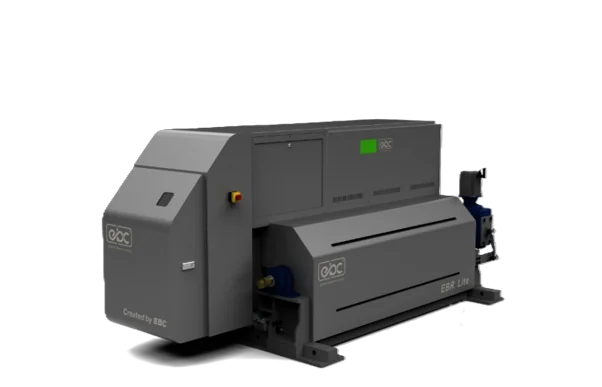 <- <- Inlet -> -> Outlet
 TYPICAL APPLICATIONS
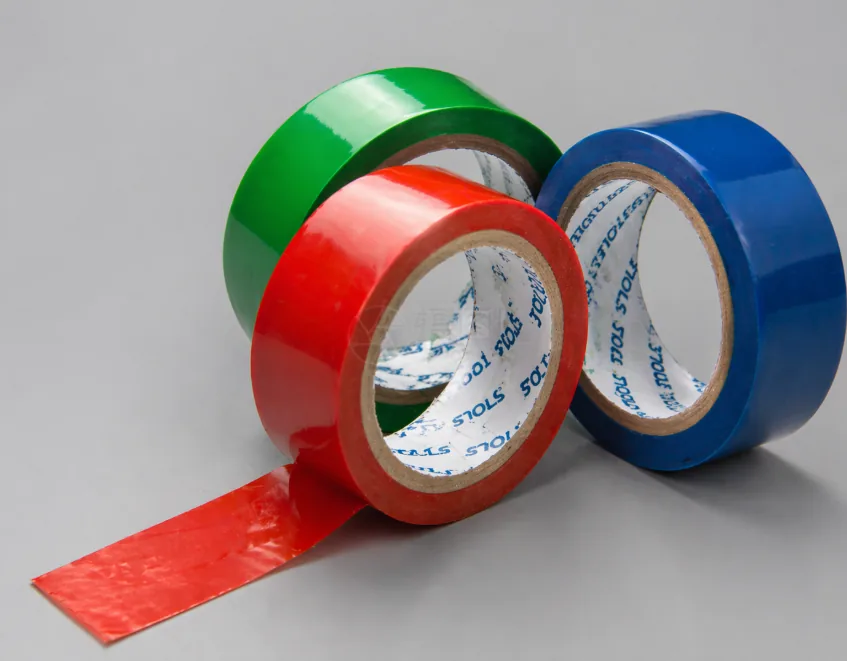
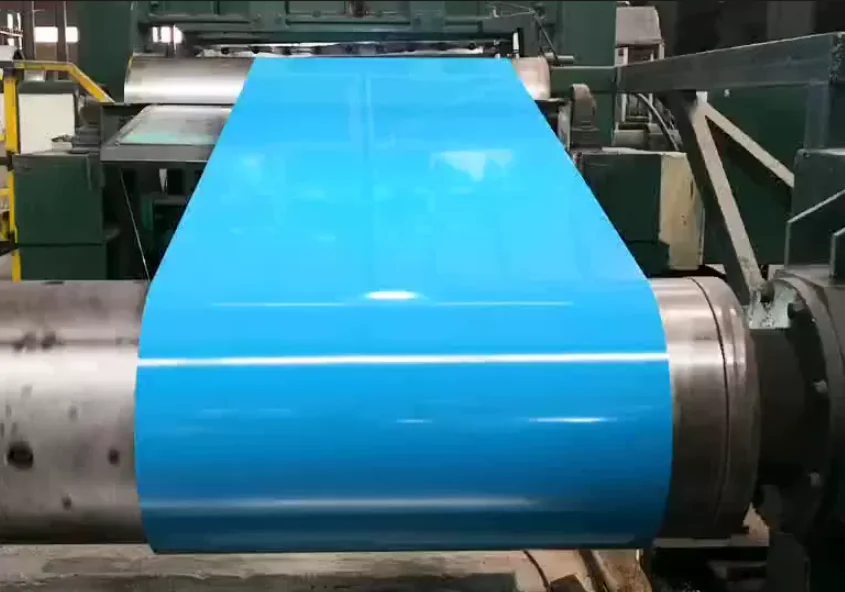
Typical Applications of EBR Roll-to-Roll EB Equipment


FAQ
FAQ
01How should suspended-web and drum-supported configurations be selected?
It depends on whether support is required in the irradiation zone, tension stability, heat sensitivity and other material conditions. Please contact us for evaluation.
02How should side irradiation and bottom irradiation be selected?
It depends on web path, installation space and other site conditions. EBC can evaluate the route according to the customer site.
03Can release-pattern transfer or Cast & Cure be supported?
Custom evaluation is possible. This type of route needs to consider transfer-film path, lamination or nip rollers, cooling, peeling position and electron penetration direction together.
04Can a 172 nm excimer module be configured for ultra-matte effects?
Roll-to-roll lines usually place the 172 nm module upstream of the EB equipment or as an independent inerting unit to match coating, web handling, tension and surface-contact conditions. Shared inerting space must be confirmed by formulation, line speed and equipment structure.
START WITH VALIDATION
Confirm the Web Path Before Finalizing the EBR Structure
Share material width, line speed, tension, coating condition, target-layer position and site space. EBC will evaluate suspended-web, drum-supported and optional module configurations.